
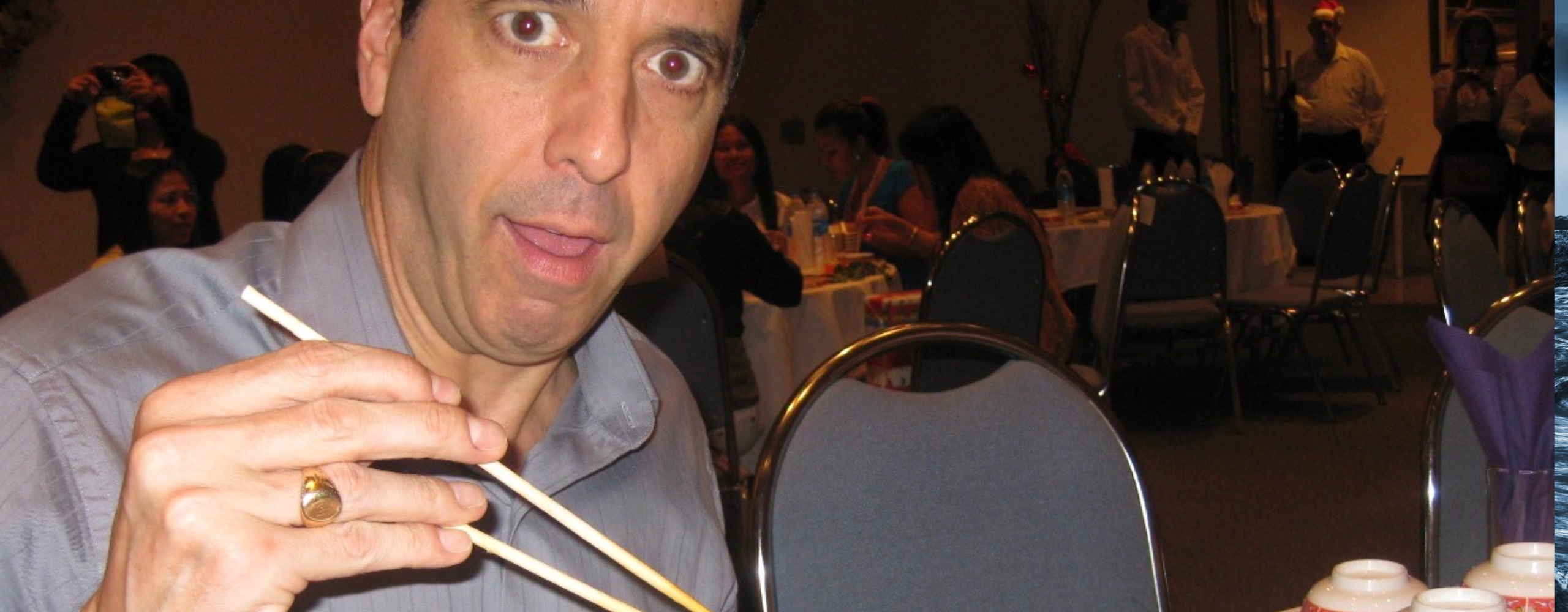
Food is important to us. Not just because it keeps us alive, but because it connects us to something deeper. Food carries memories, traditions, relationships, and experiences. It gives us a sense of home.
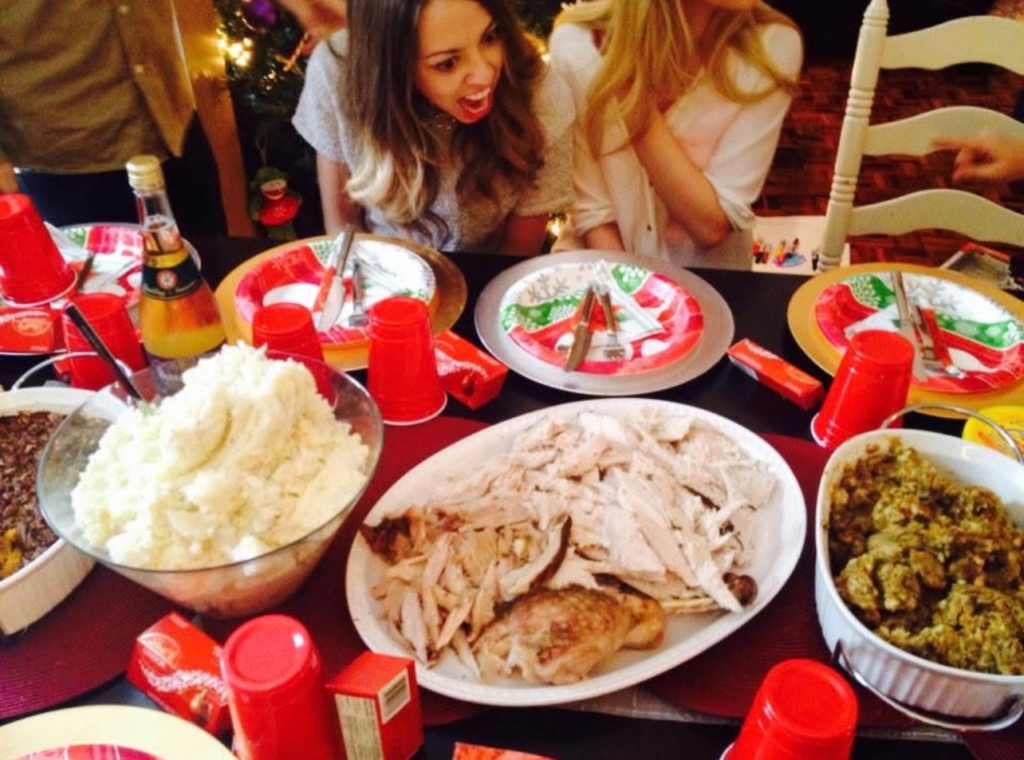
No matter where you live or how much you fall in love with the food of the country you move to, there will always be moments when you crave something familiar. It might be a Christmas ham, a turkey dinner surrounded by family, jollof rice at a church event, mangoes and sticky rice with friends, tandoori chicken with your aunties and uncles, or simply peanut butter and jam on toast, those simple foods that remind you of where you came from.
Food has a way of taking us back. One bite can remind us of childhood kitchens, family gatherings, holidays, celebrations, and people we love. The smell of a certain dish can bring back memories we haven’t thought about in years.
Food is more than fuel for the body. It feeds something in our hearts. Around tables, stories are shared, friendships are formed, and families laugh or debate together. A meal is rarely just about what’s on the plate, it’s about the people gathered around it and the love, hospitality, and connection that comes with it.
One thing you may not realize when you become a pastor or missionary is that you’ll eventually find yourself staring at a plate of food and wondering whether faith can help you swallow.
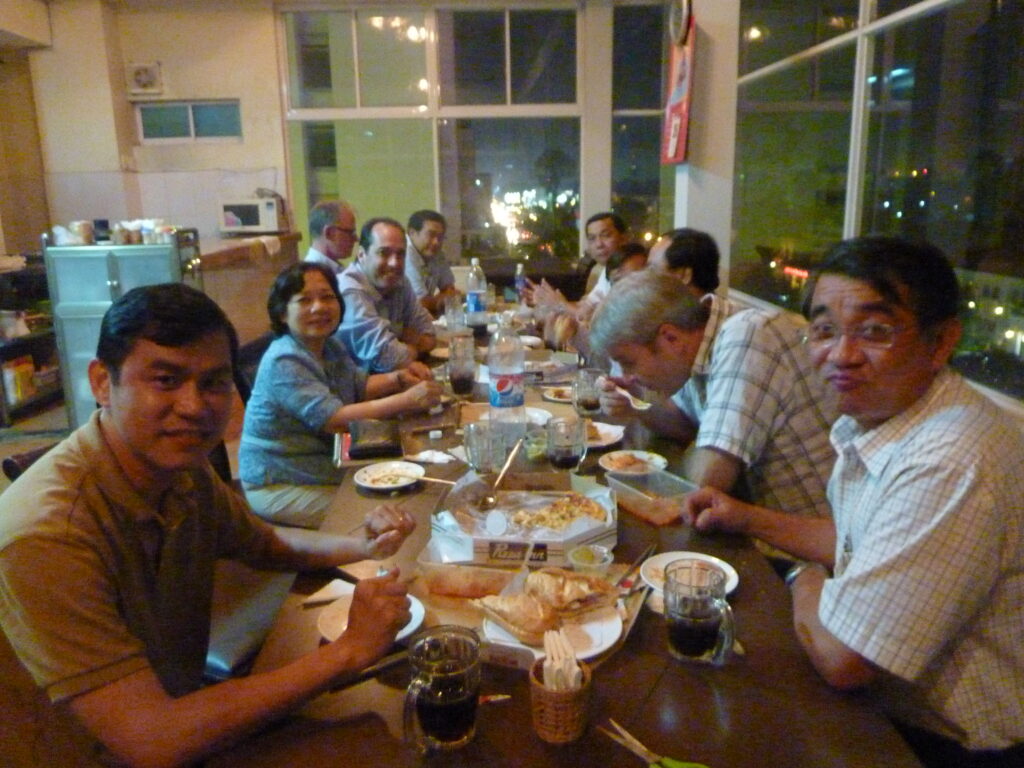
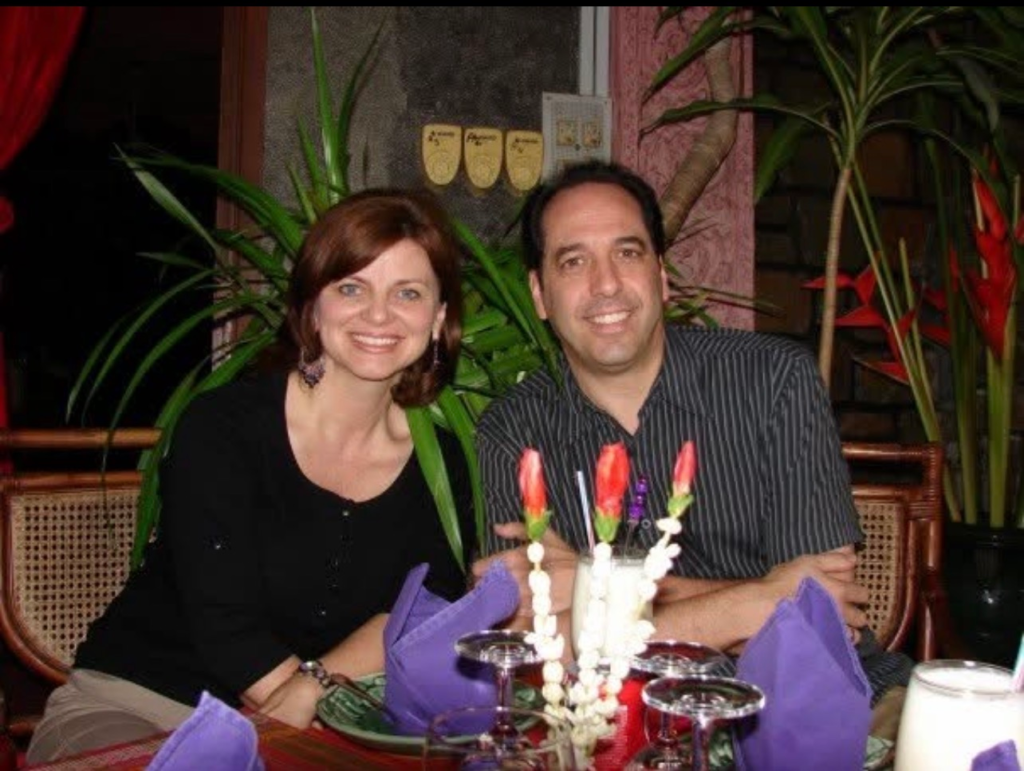
Over the years, Peter and I have been invited to countless homes, churches, villages, and restaurants around the world. Wherever we’ve gone, people have wanted to honour us by serving us their best food. Not their everyday food. Not the leftovers from the fridge. Their best.
And that’s important to understand.
Food is deeply connected to culture. It’s one of the ways people show love, respect, generosity, and welcome. When someone invites you to their table, they’re saying, “You matter to us.” So we’ve always tried to receive whatever was placed before us with gratitude.
That sounds noble and spiritual until Rover comes out on a platter.
Dog on a Platter
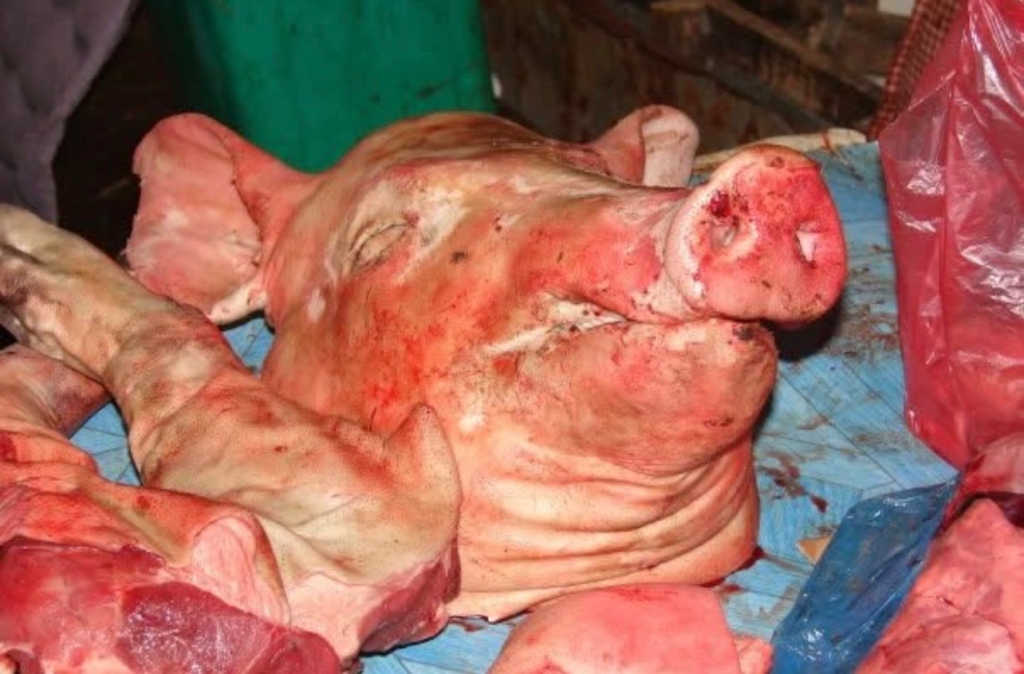
One of Peter’s most memorable meals happened in Vietnam. He knew he was being served a local delicacy, but he didn’t know exactly what it was until someone informed him that he was eating dog. Dog, the kind of animal most Canadians name, groom, and some buy Christmas presents for.
Years later, Peter still laughs about it. “What would you do if Rover came out on a platter?” he asks. Then, without missing a beat, he answers his own question: “You’d say, ‘Pass the sauce. We’re eating dog.’” He jokingly tells the story and says he had no side affects but if he scratches his belly his leg moves involuntarily.
It’s amazing how quickly your perspective changes when you’re a guest in another culture. You realize that foods you consider normal might seem just as strange to someone else. The important thing is not whether the food is familiar; it’s whether we honour the people who are offering it.
Fat Floating Soup
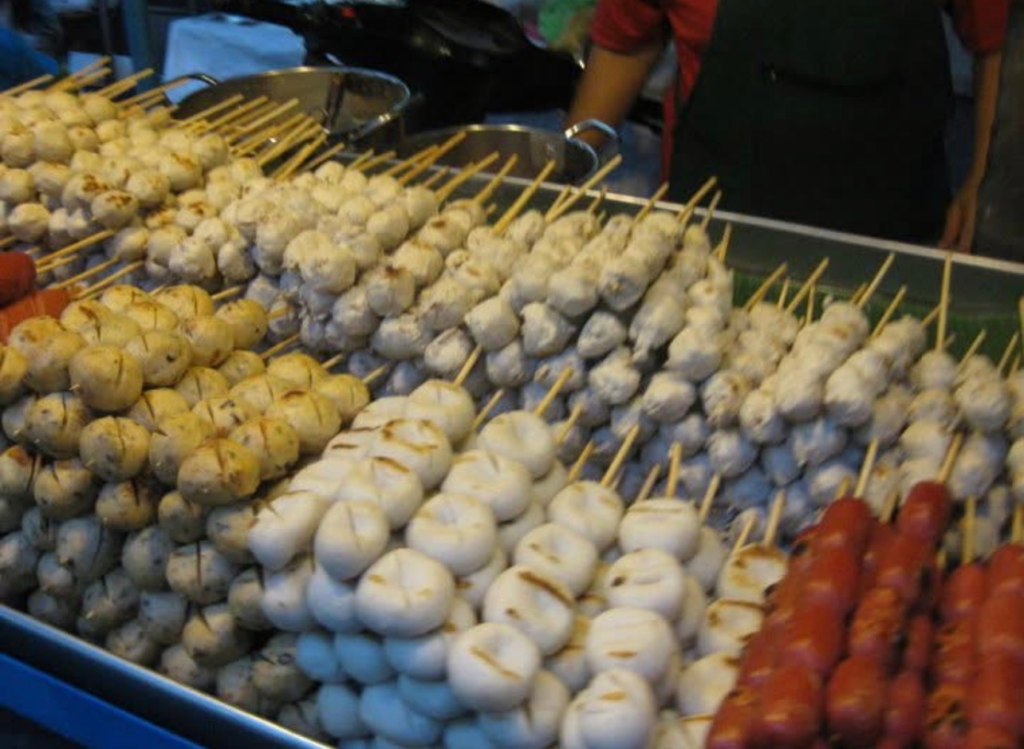
That lesson became even clearer when we experienced authentic Chinese cuisine. Like most North Americans, we thought we knew Chinese food. We’d eaten our fair share of sweet-and-sour chicken balls, fried rice, and spring rolls. Then we travelled and discovered that authentic Chinese food is nothing like the Mandarin buffet back home.
One meal included black eggs that looked as though they had been sitting in someone’s basement since the Ming Dynasty. Another dish arrived swimming in a broth topped with a generous layer of floating fat. We weren’t entirely sure what we were eating, but everyone else seemed delighted, so we smiled and dug in. I remember noticing Peter’s grimace when he saw it, and I whispered, “your face, watch your face.”
We learned there’s a certain wisdom in not asking too many questions before dinner and to be very careful that our faces weren’t betraying us.

Cod Fish Have Tongues
Newfoundland brought its own culinary adventure. Someone proudly served us cod tongues and bottled rabbit. Now, if you’re from Newfoundland, you’re probably wondering why anyone would find this unusual. If you’re not from Newfoundland, you’re probably wondering why cod even have tongues and why would rabbit be in a bottle.
I remember staring at the plate thinking, “Well, this is a first.” To be fair, both weren’t bad. The challenge wasn’t the taste; it was convincing my brain that what I was eating was perfectly acceptable. Sometimes food is a battle between your taste buds and your imagination.
Coffee Grains and Fellowship
Then there was the Ukraine.
We went to a gypsy camp and I was thrilled when someone handed me a cup of coffee. I love coffee. Good coffee, strong coffee, almost-any-kind-of-coffee. Then I looked down.
Floating in the cup were little grains and grounds. Lots of them. Every sip felt like an adventure. I’d take a drink and feel something floating past my lips. Was this normal? Was I supposed to chew? Had something gone wrong? Meanwhile, our hosts drank their coffee as though this was the most natural thing in the world. So I smiled and drank mine too. If everyone else is enjoying the coffee, don’t ask questions. Just keep smiling.
Safari On A Plate
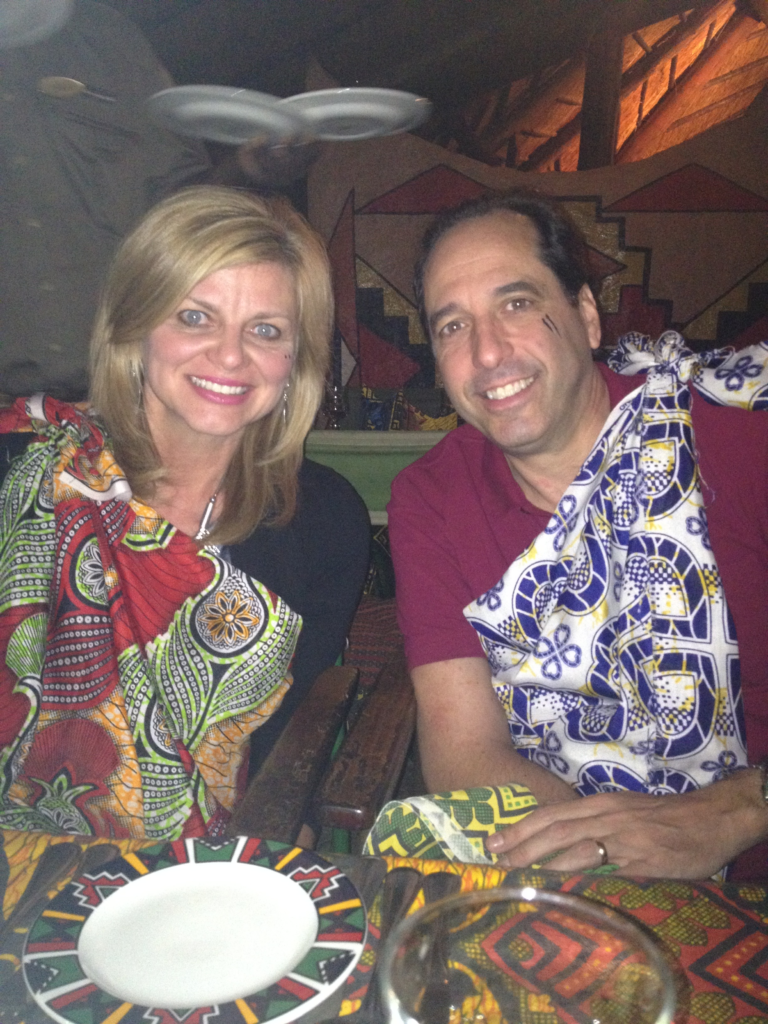
One of our most fascinating food experiences happened in Zimbabwe at the famous Carnivore Restaurant. The menu read like a wildlife documentary: warthog, gazelle, and water buffalo.
At some point, I stopped caring about what was coming next.
The biggest surprise was the warthog. It was delicious. Honestly, if someone had blindfolded me and asked me to guess what I was eating, “warthog” wouldn’t have made my top hundred answers.
The gazelle was good too, although I felt mildly guilty. Childhood cartoons had convinced me gazelles belonged running freely across the gorgeous African plains, not arriving at my table with vegetables on the side.
Fertilized Bird Embryo
Most of the things we’ve tried haven’t been that hard to eat. Some have been more difficult than others but there is one food that is truly an assault on the mind. Balut. If you are from the Philippines you know what we mean.
Balut is a fertilized developing egg embryo (so a formed bird is inside the egg) and it’s boiled or steamed and eaten from the shell. It is commonly sold as street food in South East Asia but most notably in the Philippines. Eat it with vinegar and salt they said. It’s good they said.
The Insects Add Extra Protein
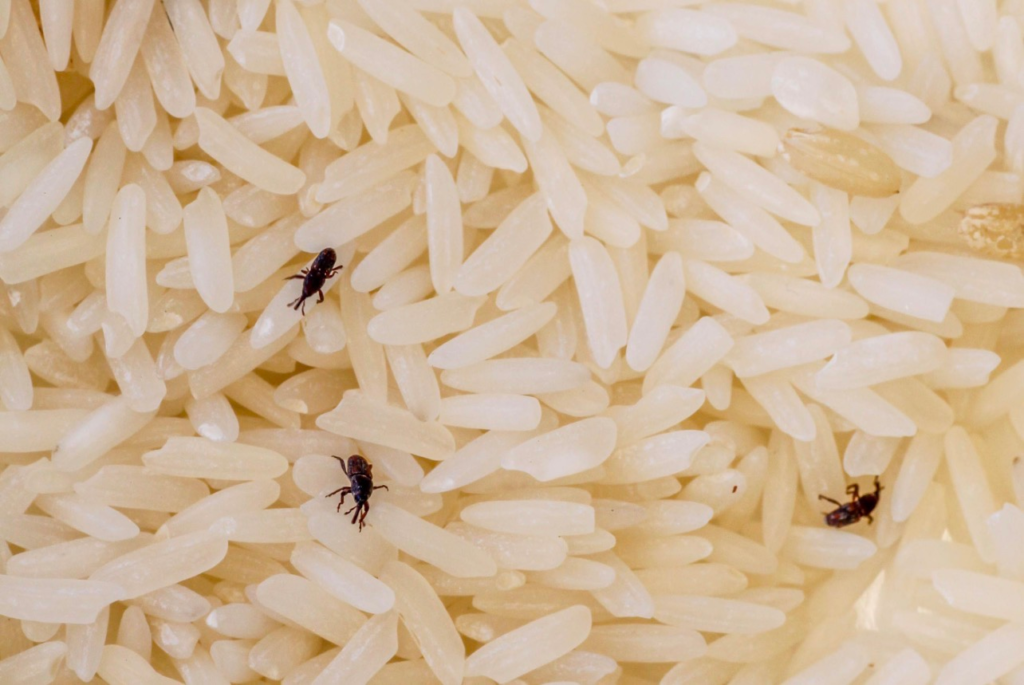
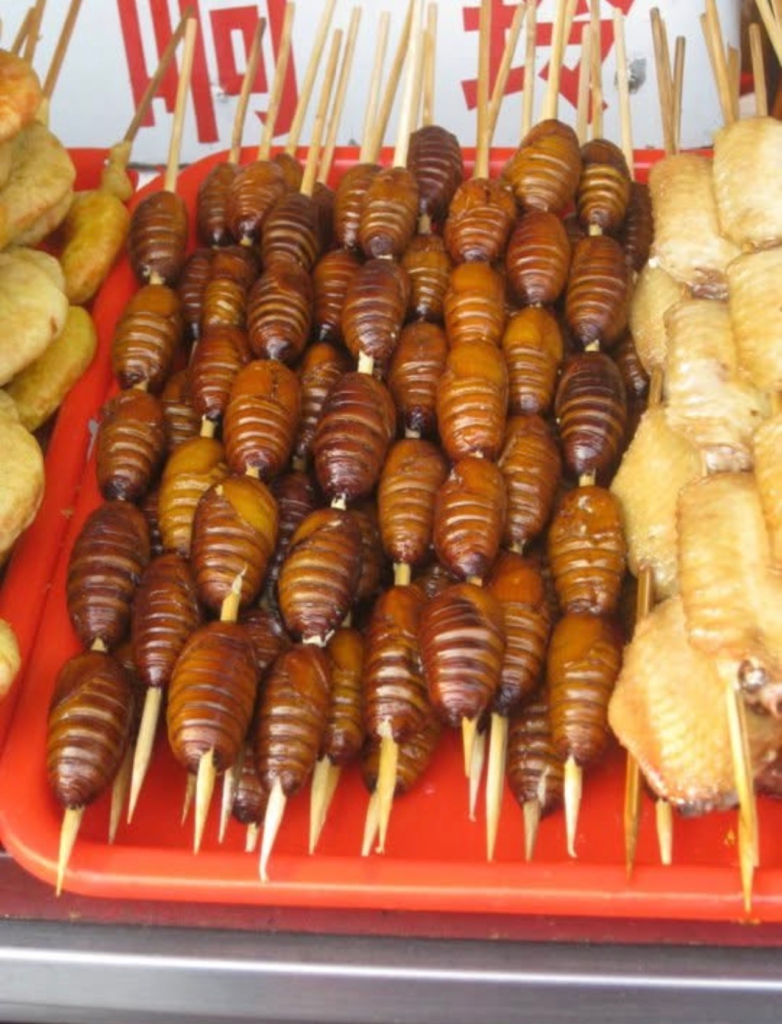
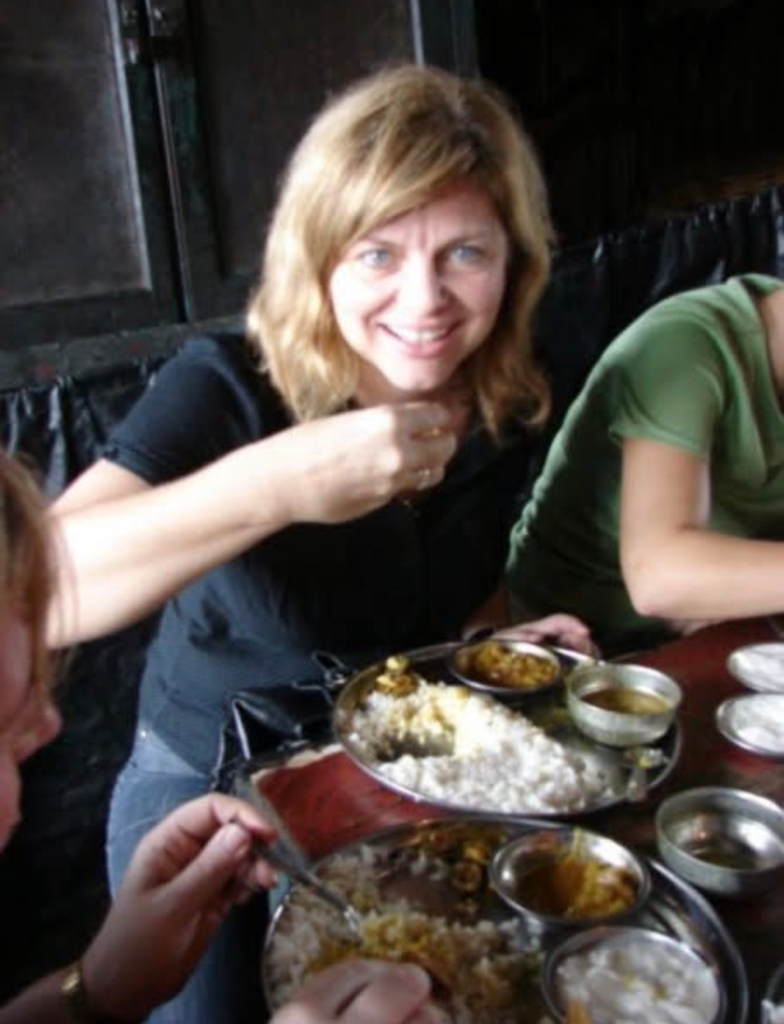
Several meals involved rice filled with bugs. Not bug-flavoured rice. Actual bugs.
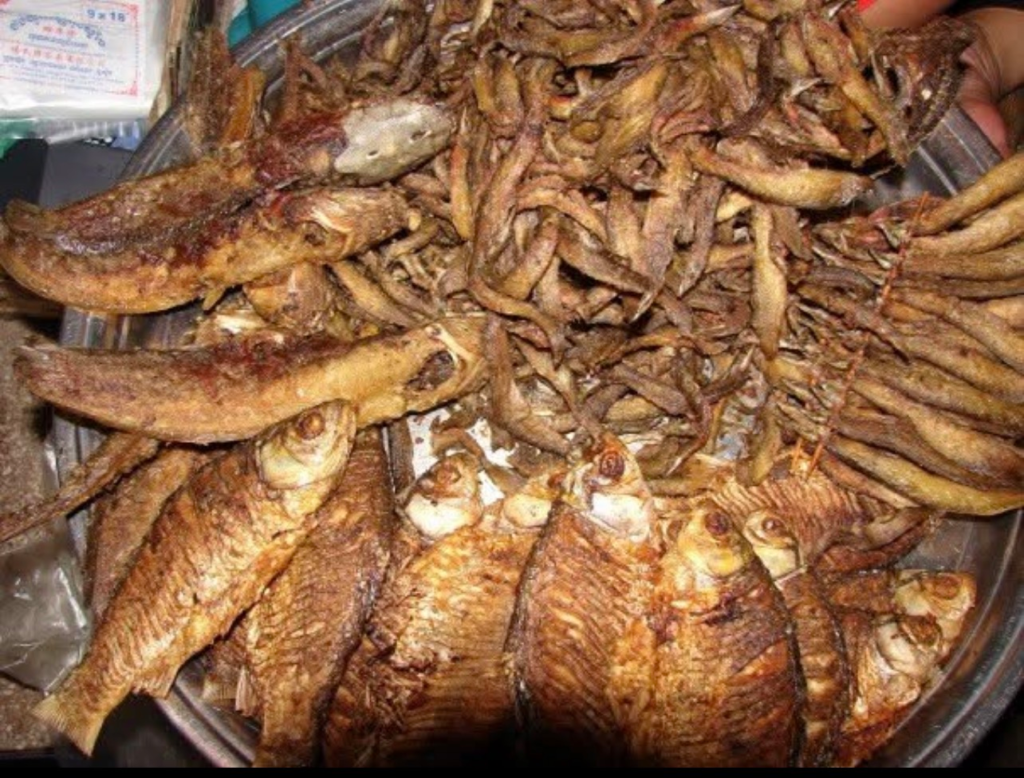
We became experts at discreetly picking them out while carrying on normal conversation. We smiled, nodded, and performed delicate surgical extractions from our plates. We also learned to look past the head and scales on a deliciously flavoured fish in Thailand.
Nobody teaches you that skill in Bible college.
“This Health Food is Truly Delicious”
Ironically, some of the hardest meals we’ve ever eaten weren’t from other cultures at all. They were health-food meals. Now I love vegetables, fruit, fish, grains, all the amazing things God has given us but it’s when the unhealthy things, like cakes and cookies are made with healthier ingredients that things can go awry.
You know the kind. “This gluten, sugar and egg free cake is soooo good.” Who among us has been told that? I never used to think you could ruin a dessert, BUT you can.
The host enthusiastically explains how healthy and delicious it is while you’re trying desperately to convince your throat to cooperate. There were times Peter and I exchanged glances across the table that said, “If I stop chewing now, this may never go down.”
Yet somehow we survived.
The truth is that every one of these meals taught us something. Food is never just food. It’s history, family, culture, identity, and hospitality all rolled into one. What seems unusual to us often carries deep meaning for someone else.
Some of our best conversations happened around those tables. Some of our deepest friendships began over meals we couldn’t identify. Some of our funniest memories were created while trying to politely navigate foods we’d never imagined eating.
Looking back, I wouldn’t trade a single one of those experiences. Well… maybe the bugs. But everything else can stay.
Those meals reminded us that ministry isn’t just preaching sermons or leading churches. Sometimes it’s sitting at someone’s table, receiving their generosity, honouring their culture, and allowing yourself to be stretched a little beyond what’s comfortable.
Although I still maintain that if someone serves cod tongues, black eggs, bug-filled rice, floating-grain coffee, and dog all in the same meal, it’s perfectly acceptable to ask for extra sauce. You might just need it.
Leave a Reply