
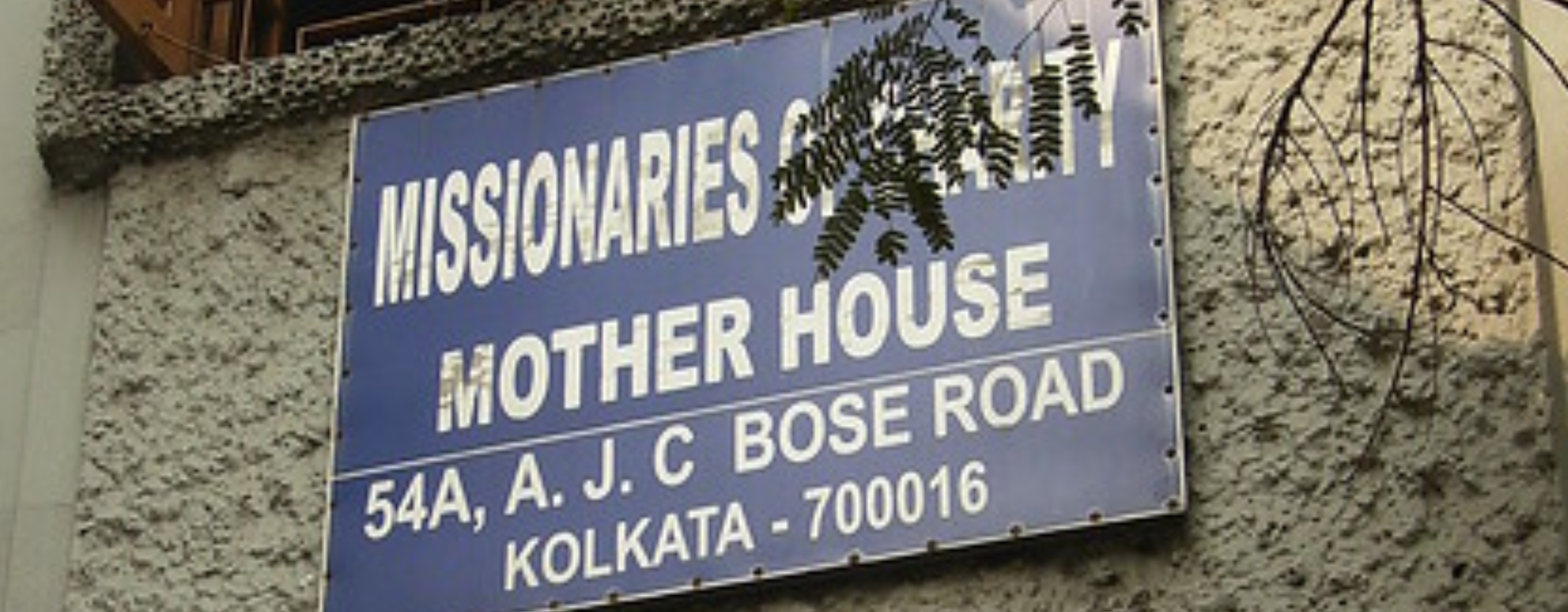
When we think about India, we often picture brilliant colours and amazing energy. We also think about:
- Beautiful saris.
- Intricate patterns.
- Spices and delicious food.
- Brightly smiling faces.
- Busy crowded streets (beyond anything you can imagine)
- Culture rich with history and tradition.
South Asian people are some of the most beautiful people we have ever encountered.
Kolkata
But our first trip as a family to India took us to Kolkata, and we were introduced to a side of India that was much harder to process. It was 2006, and our daughter, Ashton, was just 16.
Kolkata, formerly Calcutta, is traditionally associated with Kali, one of the major Hindu goddesses. The city’s name is generally connected to Kalikata, one of the villages that existed in the area before the modern city developed. Just outside the city centre is Kalighat, one of the most important pilgrimage sites dedicated to Kali, whose associations include death, destruction, transformation and liberation.
And I have to be honest. After only a few days in Kolkata, I felt like I could see the weight of those the first two themes everywhere. You could feel the darkness.
For the first time in my life, I saw people who had died lying on the sidewalks, apparently left there because there was no one to take them anywhere else. I saw more people living on the streets than I had ever encountered. People used the streets as bathrooms because they had nowhere else to go.
We also encountered the heartbreaking reality of prostitution and the sex industry. Hundreds of thousands of women were working in brothels and as escorts, some for desperately small amounts of money.
And for parents of a 16-year-old daughter, Kolkata felt overwhelming.
We noticed something else as well in 2006. In many places, the streets and restaurants seemed overwhelmingly male. Ashton and I were stared at, sometimes from head to toe, and there were moments when the attention became so uncomfortable that we simply broke down in tears.
We weren’t prepared for what we were seeing. Yet in the middle of all that darkness, we began discovering light.
Mother’s House
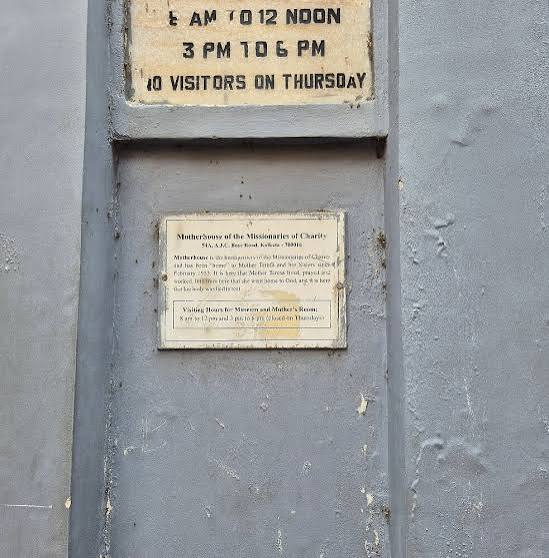
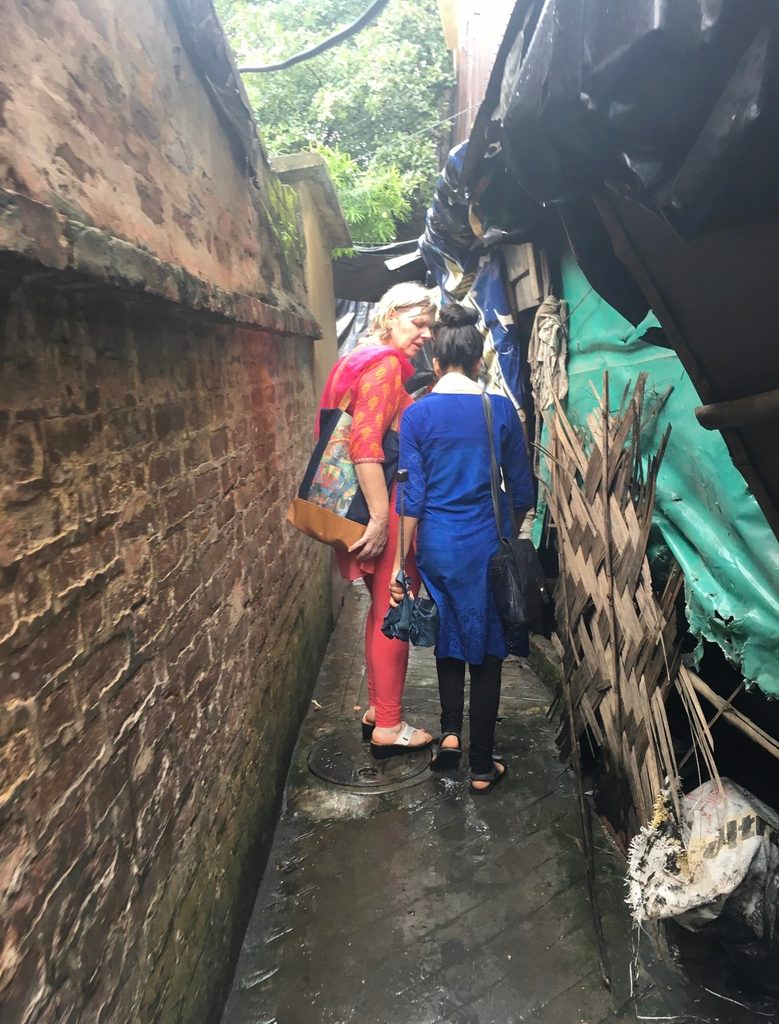
We walked the streets and came across the home of Mother Teresa. She had passed away years before, but the sign outside still said, “Visiting Hours for Mother, 8–12 and 3–6.”
That simple sign made me cry. Mother, as the locals call her, had forever made an impact on this city. She served extravagantly.
We visited her Home for the Destitute and Dying, where people who had no one to care for them could come at the end of their lives. This wasn’t the kind of medical care we might expect in a hospital. Yes, there were some pain medications and fluids, some palliative care. But there were also volunteers who would just sit with people, hold them and make sure they didn’t die alone.
There was a men’s side and a women’s side. As we walked into the women’s side, one of the women reached out and grabbed my hand. She began speaking to me in Hindi. I couldn’t understand a word she was saying so I did the only thing I could think to do. I sang “Amazing Grace.” Many others then reached out to touch my hand.
I know she didn’t understand the words, but I pray she saw the heart behind it. I do know what I understood. Ministry isn’t always about having the right words. The language barrier was obvious but even if I did speak Hindi, I’m not sure I would have known what to say. Sometimes it’s simply about just being willing to hold someone’s hand.
We also visited the Kalighat temple right beside the Home for the Destitue and Dying. We first saw the temple as I stood on the rooftop of the Home. I heard the sounds of animal sacrifice below. I saw what appeared to me as witches and I could hear the commotion and see blood around the temple.
I stood there and wept.
I wept because I was suddenly confronted with how deeply people can reach for God, but look in the wrong direction and live in unbelievable darkness and pain.
AOG Kolkata
We then visited the Assembly of God Church in Kolkata, and another story began to unfold.
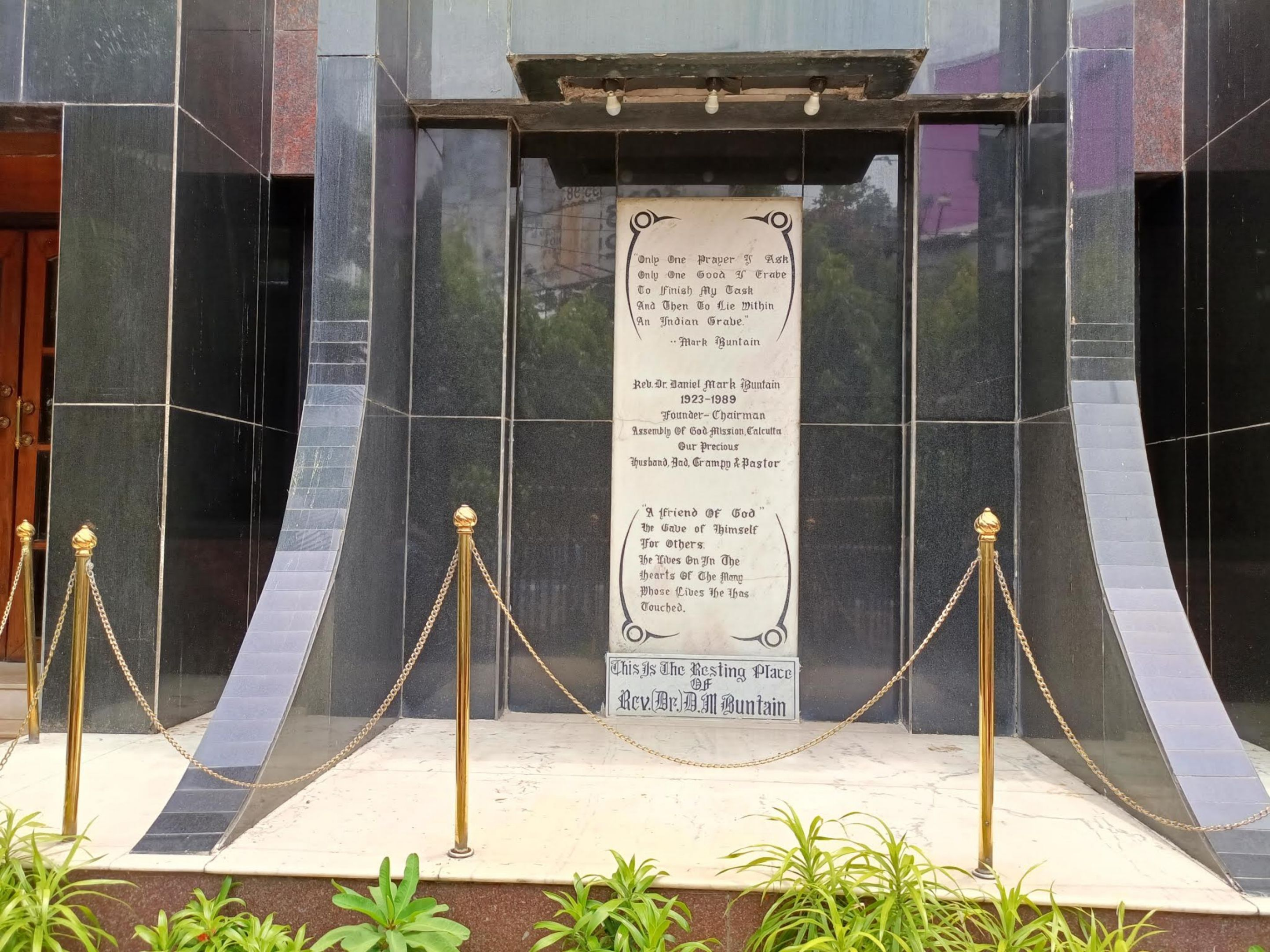
At the front of the church is the grave of Canadian missionary Mark Buntain. I remember reading the words on his grave marker:
“Only one prayer I ask
Only one good I crave.
To finish my task
And then to lie within
An Indian grave.”
I wept again.
Here was a Canadian who had come to India intending to serve for one year and ended up giving his life to the people of Kolkata.
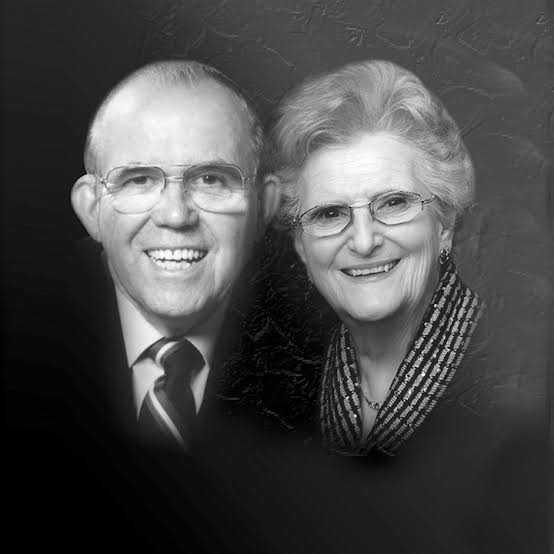
Mark and Huldah Buntain didn’t simply preach sermons. They fed hungry people. They started schools. They established medical care. Their ministry eventually included hundreds of churches and schools, feeding programs, children’s homes, vocational training and a hospital. The first Assembly of God school opened in 1964 with about 200 children, providing education and a midday meal. Their medical work eventually grew into a major hospital that has treated millions of patients, including many who received charitable care.
The pastors there now, Ivan & Shelia Satyavrata, have the same heart for the people of Kolkata.
Lessons Learned
Our trip to Kolkata reminded us that you can’t simply tell a hungry person that Jesus loves them and ignore their empty stomach.
You can’t tell someone they matter to God while walking past their suffering.
The gospel has words, but it also has hands.
I remember another moment particularly well.
We were sitting in a taxi in the blistering heat. There was no air conditioning so all the windows were open wide. We stopped at an intersection. Suddenly, a woman reached through the window and grabbed Ashton’s arm, begging for food.
I tried to communicate that we didn’t have anything.
Then, she literally made motions and said words to apparently place a curse on us. (Yes, this really happens).
Ashton looked at me. “Are we covered?”
I laughed. “Yes,” I told her. “Jesus has us covered!”
Looking back, I realize Kolkata taught me more than I knew at the time. It taught me that I don’t fully understand suffering. It taught me that I can become overwhelmed by things I can’t fix. It taught me that compassion isn’t about having all the answers. Sometimes it’s simply refusing to look away.
And it taught me that darkness doesn’t mean God isn’t there. In fact, darkness can make the light easier to see.
Kolkata carries a complicated history and a deep spiritual reality. I would never pretend that I understand everything I witnessed there. But I do know this: in the middle of poverty, death, exploitation and suffering, there are people who have spent decades saying yes to Jesus.
People like Mark and Huldah Buntain. Mother Theresa’s impact is immeasurable. Volunteers sitting beside people who were dying. People feeding hungry children. Teachers opening classroom doors. Doctors caring for those who can’t afford treatment. And ordinary Christians quietly serving people whose names the world might never know.
The darkness was real.
But so was the light.
And perhaps that’s what I remember most about our first family trip to India. Not simply what I saw, but what God began showing me about myself.
I had gone to India perhaps thinking I would be the one bringing something.
Instead, Kolkata gave me something:
- A deeper awareness of suffering.
- A greater respect for those who serve faithfully in hard places.
- A renewed understanding of compassion.
- A reminder that wherever darkness seems to have the loudest voice, Jesus is still able to shine.
Sometimes we don’t understand the place we’ve been sent. Sometimes we don’t know how to fix what we see. Sometimes all we can do is hold someone’s hand and sing “Amazing Grace.”
And sometimes, that’s enough to shine a little light into the darkness.
Leave a Reply